Cost of Lightning Rod Installation
Lightning rod installation costs can vary depending on the scope of the project, materials selected, labor requirements, and site-specific conditions. Factors such as the height of the structure, accessibility of the installation area, and the complexity of the grounding system can influence overall pricing. It is common for final costs to differ based on these variables, making detailed assessments important for accurate estimates.
Potential expenses associated with lightning rod installation typically include the cost of materials, labor, and any necessary site preparations. Since project costs are affected by the specific circumstances of each location, obtaining multiple quotes and considering different options can help in making informed decisions. Understanding the typical range of costs can assist in comparing services and planning budgets effectively.
Price Range Overview
$1,200 - $2,800 (smaller scope)
$3,500 - $7,500 (larger scope)
$2,000 - $5,000 (medium scope)
$4,000 - $9,000 (complex systems)
$1,500 - $3,200 (basic installation)
| Project Type | Typical Range |
|---|---|
| Residential Lightning Rod | $1,200 - $2,800 |
| Commercial Lightning Protection | $4,000 - $9,000 |
| Farm or Agricultural Lightning System | $2,000 - $5,000 |
| Industrial Lightning Protection | $8,000 - $15,000 |
| High-Rise Building Lightning System | $20,000 - $50,000 |
| Retrofitting Existing Structures | $3,000 - $7,000 |
Factors Influencing Cost
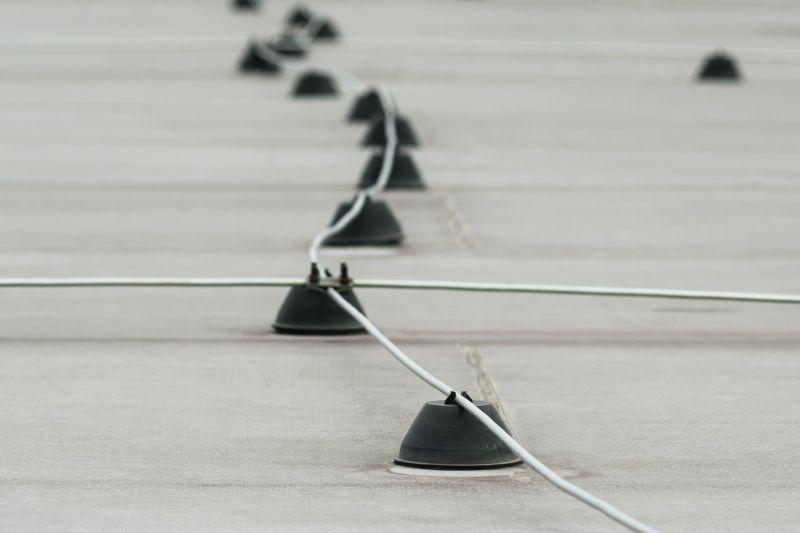
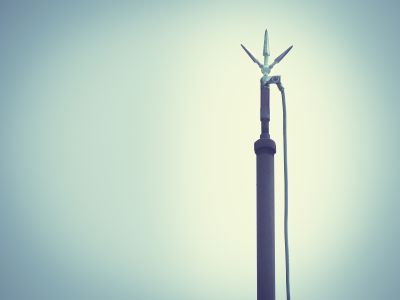
Lightning rod installation involves placing conductive systems to protect structures from lightning strikes. The process requires careful planning and proper materials to ensure effective safety measures. Understanding typical project components can help in assessing options and estimating costs.
- Materials used, such as copper or aluminum conductors and rods
- Scope including number and height of rods and grounding systems
- Labor complexity based on building type and installation height
- Permitting requirements for safety compliance and local regulations
- Additional features like surge protectors or grounding enhancements
Project Size and Scope
| Scope/Size | Typical Range |
|---|---|
| Residential single-story | $1,500 - $3,000 |
| Residential multi-story | $2,500 - $5,000 |
| Small commercial | $5,000 - $15,000 |
| Large commercial/industrial | $15,000 - $50,000+ |
Costs vary based on project scope, building height, and site-specific factors.